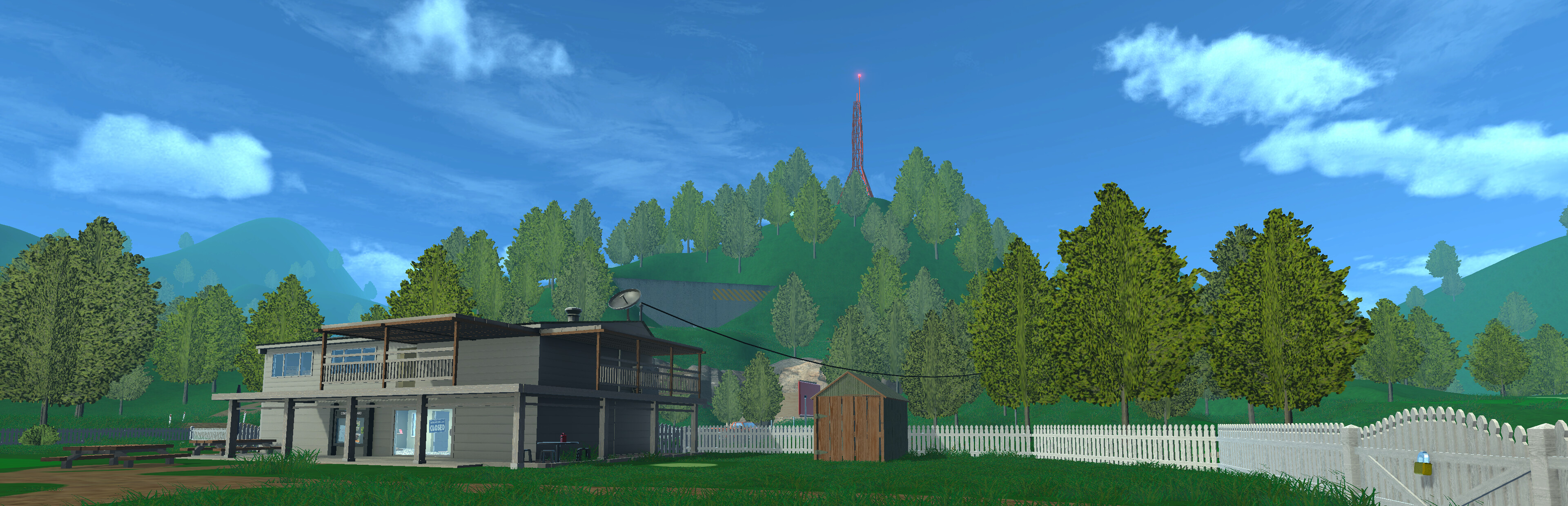
Normal Golf Game Devlog: How Luke Muscat Built This Viral Hit
Dive into the Normal Golf Game devlog to discover the physics-based mechanics, development challenges, and the unique design philosophy behind this indie hit.
Published:
Table of Contents
The world of indie game development is filled with ambitious projects, but few have captured the attention of the community quite like the Normal Golf Game. Created by solo developer Luke Muscat—the creative force behind mobile classics like Fruit Ninja and Jetpack Joyride—this title has quickly evolved from a viral demo into a full-fledged physics-based phenomenon. In this Normal Golf Game devlog deep dive, we explore how one developer turned a "terrible golf swing" into a Game of the Year contender.
Understanding the development journey is essential for any aspiring indie creator. By analyzing the design hurdles and technical triumphs of this project, we can learn how to balance quirky, surreal humor with tight, satisfying gameplay mechanics that keep players hooked for hours.
The Design Philosophy: Physics Over Precision
At its core, the game challenges the traditional conventions of sports simulators. While most golf games rely on simple button-tapping timing, Luke Muscat opted for a more tactile, physics-driven approach. In the Normal Golf Game, you don't just aim; you drag your hands through a virtual space, managing the club’s path and the angle of the face in real-time.
Why Physics-Based Controls Matter
The decision to implement complex physics was a deliberate move to heighten the skill ceiling. According to the developer, the goal was to make the player feel the weight and resistance of the club.
Control Aspect
Mechanism
Player Impact
Club Angle
Manual Drag
Influences ball spin and launch trajectory
Pathing
Physics Simulation
Determines the slice or hook of the shot
Stance
Dynamic Adjustment
Changes the contact point on the ball
By forcing players to manage these variables, the game transforms every shot into a deliberate act of engineering. If you hit a perfect shot, it feels earned because you understand exactly how the physics engine interpreted your input.
From Viral Demo to Full Launch
The journey to the September 21, 2026 release was anything but typical. Muscat noted in various community updates that the project began as a way to experiment with mechanics that felt "wrong" in a traditional sense. The demo phase was crucial, providing the feedback loop necessary to refine the game's balance.
Key Development Milestones
Prototype Phase: Testing the core "drag-to-swing" physics.
Community Feedback: Implementing the "deranged developer" meta-narrative after seeing player reactions to the surreal tone.
Content Expansion: Scaling from a simple course to a massive, multi-biome map with over 100 unique challenges.
Learning from Player Feedback
Luke Muscat famously updated the game based on forum requests for more "standard" golf modes, leading to the inclusion of a dedicated nine-hole bonus mode. Always listen to your community, but keep your core vision intact.
The Meta-Narrative: A Game About Being Trapped
One of the most fascinating aspects detailed in the Normal Golf Game devlog updates is the inclusion of a "deranged" fictional version of the developer. This narrative layer serves a functional purpose: it justifies the game's difficulty and the absurdity of the challenges.
Players are essentially "kidnapped" by a virtual version of Muscat. This provides a narrative framework for why you are forced to complete bizarre tasks—like hitting specific signs or finding hidden objects—rather than just playing a standard round of golf.
Development Challenges vs. Solutions
Challenge
Developer Solution
Player Frustration
Added "Bounties" to provide clear, short-term goals
Repetitive Gameplay
Introduced diverse clubs with varying physics profiles
Story Pacing
Used the "deranged dev" dialogue to guide player progression
Mastering the Mechanics: Tips for Success
If you are just starting your journey, the learning curve can be steep. Community reports suggest that the "skipping" challenge is often the most difficult for new players. Here is how to approach the game’s unique physics:
Stop Overthinking: As the developer suggests, don't analyze the physics too hard. Focus on the rhythm of your drag.
Experiment with Clubs: Different clubs handle differently in the wind and on varied terrain.
Use the Environment: The map is a playground. If a shot seems impossible, look for a new angle or a different surface to bounce off.
Following the successful launch, the developer has expressed interest in continuing to support the game. While a level editor is the most requested feature from the community, the current focus remains on stability and fine-tuning the existing physics engine.
Community Sentiment Summary
Pros: Highly satisfying physics, unique aesthetic, and addictive loop.
Cons: Some players find the "non-golf" challenges distracting from the pure simulation aspects.
Verdict: A must-play for fans of experimental sports games.
Frequently Asked Questions (FAQ)
Q: Is Normal Golf Game just a normal golf simulator?
A: Not at all! While it features a standard mode, the core experience is a surreal, physics-based challenge where you are trapped by a deranged developer.
Q: How do I improve my swing in the game?
A: Focus on the path of your mouse or controller drag. The speed and angle at which you move your hands directly translate to the club's impact on the ball.
Q: Can I play this on a Steam Deck?
A: Yes, the game is verified for Steam Deck and runs exceptionally well, making it a perfect title for portable play.
Q: Where can I see the latest updates from the developer?
A: You can follow the Normal Golf Game news hub on Steam for direct developer logs and patch notes.